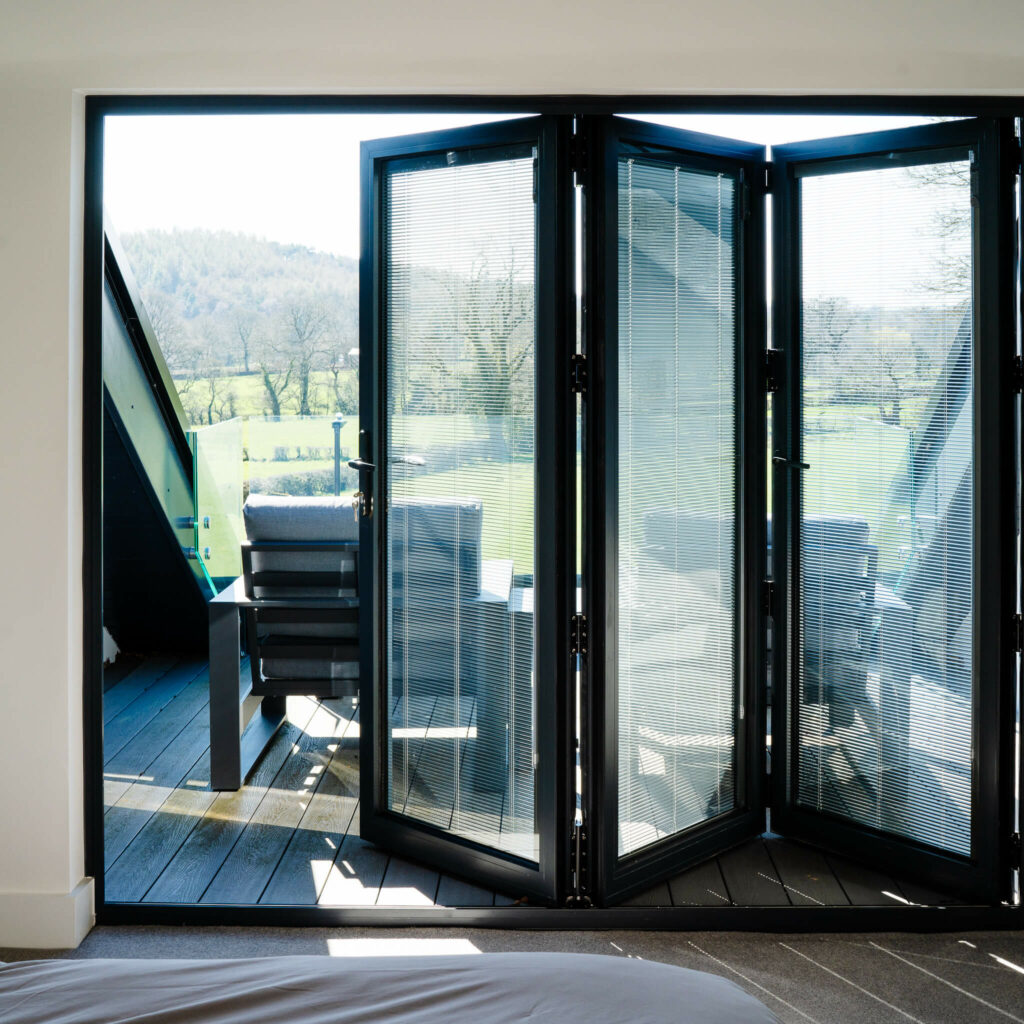


Regular maintenance is essential to keep your aluminium bifold door like the Visofold 1000 Slim, running smoothly year after year. Even durable aluminium systems can bind or corrode if dirt and debris accumulate. In wet, windy climates, as in the North East of England, rain can drive grit into tracks and seals. This guide from BM Bifolding Doors shows how to clean tracks and hardware, spot wear and perform seasonal checks to prevent problems before they start.
Why Maintenance Matters
Aluminium resists rust, but grit and moisture can still hinder moving parts. Dust and grit in tracks create friction and trapped water can lead to corrosion of hardware. Regular cleaning prevents buildup and helps seals and locks work properly. For example, BM’s industry partner Smart Systems recommends washing aluminium frames with a non-alkaline detergent and warm water and wiping them dry to preserve the finish. In coastal or heavily polluted areas, rinse doors more often,ideally weekly, to wash away salt and contaminants. In normal inland settings a thorough service (cleaning plus lubrication) about once a year is usually enough, whereas very dusty conditions may call for cleaning every 3–6 months. Keeping tracks clear and hardware clean maximises the life of your investment.
Tools & Supplies Needed
Gathering simple supplies makes maintenance easy. You’ll need:
- A soft cloth or sponge (microfibre is ideal) and warm water with a mild detergent
- A vacuum cleaner with a crevice nozzle or a handheld brush for tracks
- Silicone spray lubricant (dry silicone, not oil-based products)
- A dry microfibre towel for finishing up
- A screwdriver set (Phillips and flat-head) for tightening hardware
- (Optional) A small toothbrush or dedicated track-cleaning brush for corners
- (Optional) A lint-free cloth for polishing glass or frames
Tip: Use only silicone-based lubricant (or a dedicated dry PTFE lube). Avoid WD-40 or oil sprays – these can attract dust and gum up the mechanism.
Step 1: Clean the Bifold Door Tracks
Clean, debris-free tracks are critical. Follow these steps:
- Remove loose debris. Open the doors and use a vacuum nozzle or brush to suck or sweep out dirt, leaves, pet hair, stones, etc. from all the bottom tracks, especially where mud and grit collect.
- Wash with soapy water. Wipe the track surfaces with a soft cloth or sponge dipped in warm, soapy water (a mild, non-alkaline detergent works best). Take care not to scratch the aluminium.
- Dry thoroughly. After washing, wipe up all moisture with a dry towel. This prevents corrosion at track edges. A completely dry track lets the rollers glide easily without sticking.
- Lubricate the track. Lightly mist silicone lubricant into the track (spray onto a cloth if preferred) so the rollers move smoothly. Don’t overdo it – a thin film is enough. Wipe away any excess spray.
Tip: Aim to clean tracks at least every 2–3 months under normal conditions and even more often in winter or if your home is by the sea. Frequent cleaning prevents stubborn buildup of salt, ice, or mud.
Step 2: Lubricate Bifold Door Hinges and Moving Parts
Once the tracks are clean, give the pivots, rollers and hinges a little lubricant:
- Apply silicone spray to all pivot points and rollers. This includes the top and bottom pivot brackets on each panel, each roller wheel (or carrier), hinge pins and multipoint lock sliders. Silicone spray or a light silicone-based lube works well here.
- Work it in. After spraying, open and close the doors several times. This distributes the lubricant over the mechanism. You should notice the action becomes smoother and quieter.
- Avoid greases or oils. Do not use grease or oil-based products (like standard WD-40) on moving parts, these attract dust and can gum up over time. Stick to dry silicone or PTFE lubricants formulated for doors and windows.
Step 3: Check Bifold Door Hardware for Wear
Inspect all door hardware and fixings and tighten or replace as needed:
- Handles and hinges. Look for any handles, hinges or screws that are loose. Tighten hinge screws and handle fixings with the screwdriver (but don’t overtighten). Loose hardware can cause misalignment or rattling.
- Alignment issues. If a panel has dropped or you see uneven gaps between doors, it may indicate worn rollers or pivots. Aluminium doors can sag a bit over years. If the door is noticeably sagging or dragging, the top/bottom pivots often need adjustment or the roller may need replacement. BM Bifolding Doors offers an online guide on adjusting Visofold 1000 Slim panels if needed. In many cases a roller or pivot can be swapped out to restore smooth travel.
- Signs of corrosion or damage. Aluminum itself won’t rust, but check any steel hardware (brackets, fixings) for rust or corrosion. Surface rust on screws, for example, suggests moisture exposure. If seals or gaskets around the frame look cracked or worn, plan to replace them.
- Spare parts. For genuine replacement parts like rollers, hinges, handles, locks, see BMHardware.co.uk, which stocks quality bifold components (handles, rollers, hinges and locks) for long-term performance.
Step 4: Inspect Bifold Door Seals and Drainage
Proper sealing and drainage keep out water and drafts:
- Check the seals. Inspect the rubber or Q-Lon weatherstrips around each door leaf. Look for cracks, tears or gaps. If seals are damaged or compressed, replace them to ensure a tight shut. Weather seals are typically push-fit or glued in, new lengths can be cut to size and installed in the frame channel.
- Clear drainage channels. At the bottom of the door frame there are weep holes or drainage slots. Make sure these are not blocked by debris. Clear any obstructions so rainwater can exit freely. Good drainage prevents water pooling under the door, which can otherwise harm the track, rollers and even your interior floor.
Step 5: Seasonal Care for North-East Homes
Adjust your routine with the seasons:
- Autumn/Winter: Wipe the tracks more often. Salt and grit from shoes or road salt can accumulate and grind away at aluminum. Rinse any salt residues from the frame and track quickly. In coastal areas, rinse external surfaces weekly with fresh water to wash off salt.
- Spring: Do a full check-up. Now that the weather is milder, it’s a great time to clean tracks, relubricate and retighten all fittings after the harsh winter.
- Summer: Aluminium expands slightly in heat. If the doors feel stiffer or start to bind, inspect them. Thermal expansion can cause panels to rub or mis align. Sometimes only a minor adjustment is needed once the frame cools.
When to Call the Experts: If after cleaning and basic upkeep your doors still stick badly, slump out of alignment, make grinding noises, or won’t lock properly, it’s wise to contact BM Bifolding Doors for professional service. Persistent issues often need a fitter’s adjustment or part replacement. BM Bifolding Doors offers expert servicing across the North East to ensure smooth operation under your warranty.
Summary Checklist
- Clean tracks (vacuum + warm soapy water) every 2–3 months (more in winter/coastal areas).
- Lubricate hinges, pivots, rollers and locks with silicone spray only.
- Tighten loose screws on handles, hinges and frames; replace or adjust worn parts (rollers, pivots). BMHardware.co.uk has genuine bifold rollers, hinges, handles and locks.
- Inspect seals and weatherstripping for damage; replace any torn sections. Check that weep/drain holes are clear.
- Adapt frequency by season: wash off salt in winter, inspect after winter, check alignment in summer.
Regular DIY care protects your investment and keeps your Visofold 1000 Slim doors gliding smoothly for years. For spare parts or advice visit BMHardware.co.uk
Sources: Best practices are adapted from bifold door maintenance guides and manufacturer recommendations; bmbifoldingdoors.co.uk,bmbifoldingdoors.co.uk, including Smart Systems and industry experts. Each recommendation above is based on these technical sources and practical experience.